.jpeg)

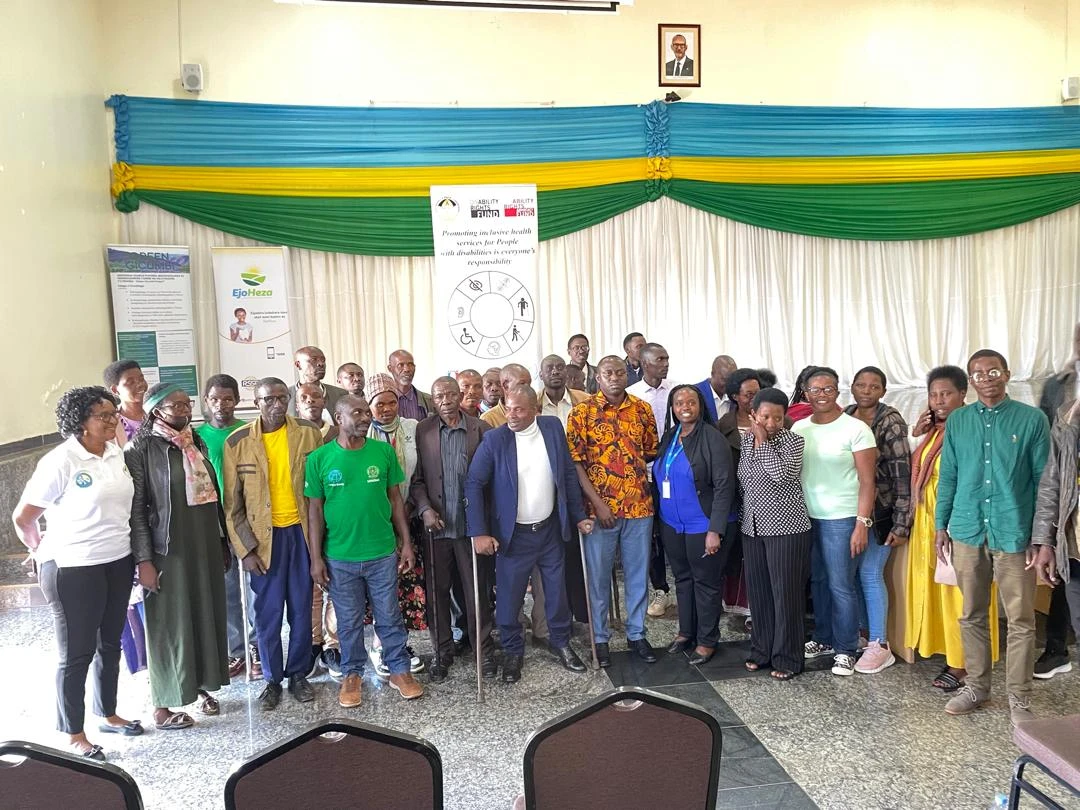
In partnership with UPHLS and with support from the Disability Rights Fund, the Africa Women’s Foundation (AWF) engaged with Coordinators from the National Council of Persons with Disabilities (NCPD) to discuss the rights of persons with disabilities and how they can advocate for themselves to access development opportunities on par with other Rwandans.
-
Strengthening Awareness of Rights
Through these consultations, AWF and NCPD coordinators raised awareness about constitutional, legal, and policy frameworks that guarantee people with disabilities equal rights and opportunities. Participants explored how disability is included in national development visions and strategies, from education and healthcare to economic participation. By elevating knowledge of existing rights, the sessions empower individuals and communities to demand inclusive implementation—from accessible schools to disability-sensitive public services. -
Building Self-Advocacy Capacity
A key focus of the dialogue was equipping persons with disabilities and their coordinators with self-advocacy tools. From mapping local decision-makers to crafting clear messaging around disability inclusion, the participants practiced techniques for presenting their needs. They also strategized on forming advocacy groups, engaging media, and using digital platforms to amplify their voices. Strengthening advocacy capacity ensures these communities can meaningfully influence policies and budget decisions that affect their lives. -
Linking Rights to Development Outcomes
By framing disability rights as essential to national development, the initiative helped shift perspectives. Coordinators and community representatives examined how fully including persons with disabilities accelerates progress toward Rwanda’s broader goals—such as poverty reduction, gender equality, and social cohesion. Highlighting success stories—like accessible agricultural cooperatives and inclusive vocational training—offered concrete proof that disability inclusion translates into economic empowerment and collective prosperity. -
Advancing Sustainable Change Through Networks
Finally, these dialogues under the Disability Rights Fund’s auspices emphasized the importance of collaboration. AWF, NCPD, UPHLS, local leaders, civil society organizations, and representatives of persons with disabilities came together to forge a united front. By strengthening networks and sharing resources, the group aims to ensure sustained follow-through—advocacy campaigns, policy monitoring, and community outreach will continue beyond the initial sessions. This unified network builds the foundation for systemic change, ensuring persons with disabilities fully participate in Rwanda’s development journey alongside all citizens.
5,000
+
Women Trained
20
+
Community Projects
150
+
Women Accessing Microfinance
50
+
Advocacy Campaigns